


Mechanism of Action for Decapeptide-12
Oct 6,2026
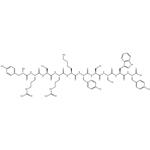
Decapeptide-12 is a small oligopeptide that acts as a tyrosinase inhibitor, and Decapeptide-12 is capable of interacting with the C-terminal residues of tyrosinase (Kd: 61.1 μM). Decapeptide-12 is a competitive inhibitor of mushroom tyrosinase (IC50: 40 μM). In addition, Decapeptide-12 upregulates the transcriptional level of SIRT, and Decapeptide-12 can reduce the melanin content in melanocytes, making it useful for studying melanogenesis, aging, and inflammation. Decapeptide-12 (Lumixyl) is a synthetic 10-amino acid peptide with the sequence YRSRKYSSWY or Tyr-Arg-Ser-Arg-Lys-Tyr-Ser-Ser-Trp-Tyr, which acts to inhibit the synthesis of melanin by blocking the enzyme tyrosinase. Decapeptide-12 has been investigated for medical uses in the treatment of hyperpigmentation disorders such as melasma, and has also been sold off-label as a skin-lightening product.

Figure1: Picture of Decapeptide-12
Basic Introduction
Decapeptide-12, which is also known as Lumixyl, is an oligopeptide that possesses multiple functions. Decapeptide-12 is a whitening oligopeptide that is capable of inhibiting the activity of tyrosinase. With regard to the tyrosinase inhibitory activity of Decapeptide-12 is a skin-brightening peptide that evens skin tone, reduces pigmentation, and boosts collagen production, thereby promoting a smoother and more youthful complexion by targeting melanin production and repair signals. Decapeptide-12 inhibits tyrosinase, the enzyme responsible for driving dark spots and hyperpigmentation, while simultaneously stimulating basic fibroblast growth factor (bFGF) to accelerate healing and improve skin texture. When applied topically, Decapeptide-12 penetrates the skin and remodels it at the cellular level, fading sun damage, age spots, and acne scars without the use of harsh chemicals or causing irritation. The benefits of Decapeptide-12 are particularly evident for uneven skin tone, as it improves hydration, elasticity, and barrier strength, thereby reducing redness and environmental damage. Clinical models demonstrate that Decapeptide-12 enhances moisture retention, accelerates wound closure, and exerts anti-inflammatory effects suitable for sensitive skin. Over the course of several weeks, users observe gradual brightening, refined pores, and a supple feel, making Decapeptide-12 a staple in anti-aging routines. Decapeptide-12 is ideal for treating melasma, post-inflammatory marks, or sun-exposed skin seeking natural radiance restoration. Unlike bleaches, Decapeptide-12 supports long-term skin health by promoting repair proteins, delivering comprehensive rejuvenation for a clearer, more even complexion. [1]
Mechanism of Action
Decapeptide-12 is a novel synthetic oligopeptide whose peptide sequence contains two tyrosine residues, two arginine residues, and three serine residues, and these amino acids exhibit strong inhibitory activity against tyrosinase. Therefore, Decapeptide-12 is capable of inhibiting the activity of tyrosinase, thereby effectively reducing melanin synthesis. According to studies by Anan Abu Ubeid et al., compared with hydroquinone, Decapeptide-12 demonstrates stronger inhibition of intracellular tyrosinase and is non-toxic. Basil et al. conducted a split-face controlled trial in which five volunteers were treated with Decapeptide-12 for melasma, and the results showed significant improvement in melasma in all five volunteers. Research by Kassim et al. demonstrated that, compared with patients who showed no response to a 6-month treatment with a hydroquinone-tretinoin-steroid combination cream, the improvement in melasma on the half-face treated with Decapeptide-12 reached more than 50%. Some scholars have reported that Decapeptide-12 does not cause skin allergy or irritant contact dermatitis, and that mild erythema, dryness, and itching rarely occur. Some scholars believe that Decapeptide-12 rarely causes erythema and itching, does not lead to post-inflammatory hyperpigmentation, is very safe for long-term daily use, and can serve as a substitute for other whitening agents. In the treatment of hyperpigmentation, Decapeptide-12 can be used in a complementary manner with hydroquinone-containing products to reduce the risk of hydroquinone-related rebound pigmentation and exogenous melasma.
Chemical Applications
Decapeptide-12 powder can be used as a product and added during the final stage of cosmetic production, or it can be dissolved and mixed into skincare products for topical application, offering simple operation and high safety. Decapeptide-12 is commonly used in skin-brightening creams, skin-brightening foundations, pressed powders, and spot-removing creams (for sun spots and freckles).
Reference
[1] He Q, Liao Y, Wu Y, et al. Bioactive oligopeptides and the application in skin regeneration and rejuvenation[J]. Journal of Applied Biomaterials & Functional Materials, 2025, 23: 22808000251330974.
- Related articles
- Related Questions

In the field of fine chemical production, 1-(2,2,6-Trimethylcyclohexyl)hexan-3-ol can be used as a fragrance and flavor additive.....
Oct 5,2026API
Strontium carbonate serves as a versatile functional material for tumor drug delivery and high-performance bone repair biomaterials.....
Oct 6,2026Inorganic salts
Decapeptide-12
137665-91-9You may like
- Decapeptide-12
-
- 2026-11-10
- CAS:137665-91-9
- Purity: 99%
- Supply Ability: 2000kgs
- Decapeptide-12
-

- 2026-11-06
- CAS:137665-91-9
- Purity: 99% Min
- Decapeptide-12
-

- $150.00
- 2026-10-29
- CAS:137665-91-9
- Min. Order: 1gram
- Purity: 0.99
- Supply Ability: 5kgs