プロパン 化学特性,用途語,生産方法
定義
本品は、次の化学式で表される炭化水素である。
性質
1. 物理的特性
プロパンは、融点が-187.6℃、沸点が-42.1℃です。他の天然ガス成分と異なり、沸点が低く空気よりも1.5倍重いことが特徴です。エーテルやには溶けますが、水への溶解度は62.4mg/Lでほとんど溶けません。
2. その他の特徴
プロパンは、液化しやすく、熱や火に触れると大きな炎を出して燃えるという性質をもちます。さらに、高濃度のプロパンには、麻酔作用があります。
反応
プロパンの化学反応性は低いですが、プロパンを脱水素することでが、化することで塩化プロパンが、ニトロ化することでニトロプロパン等を生成させることができます。
無機性値/有機性値
0/60
解説
プロパン.湿性ガスの一成分.原油中に溶存する.石油系炭化水素の分解または改質により副生する.製法は,上記のガスより濃縮し,低温分留などにより分離する.構造は,エタンの水素原子の一つがメチル基と置換したもので,∠C-C-C112°を示す.弱い特異臭のある,空気より重い無色の気体.融点-187.69 ℃,沸点-42.07 ℃.爆発範囲2.4~9.5体積%.化学反応性は低いが,ゼオライト触媒を用いて芳香族炭化水素を合成するプロセスの原料となる.単独に,またはプロペン,ブタン,ブテンなどとの混合物で,液化石油ガスとして燃料に用いられる.また,潤滑油精製の脱ろう用溶剤に用いられる.
用途
燃料
構造
プロパンの構造式はCH3-CH2-CH3で表され、折れ線形の構造をしています。炭素原子同士の結合距離は約154pmで、折れ線構造のなす角度は約110°です。プロパンの結晶の空間群はP21/nで、スタッキング特性が悪く空間充填率が低いため、特に低い融点の理由にもなっています。
製法
プロパンは天然ガスプロセッシング、石油の分留または分子量の大きいアルカンのクラッキングなどによって得ることができます。天然ガスプロセッシングとは、気体の天然ガスから凝縮点の差を利用して、プロパンとブタンを分離する方法です。プロパンは、石油や天然ガスに含まれている成分であり、分解ガスとして石油精製工程で副生します。
化粧品の成分用途
噴射剤
効能
噴霧剤
展望
エネルギーの需要が高まり続ける中でプロパンはそのクリーンな燃焼特性と高いエネルギー効率により持続可能なエネルギー解決策としての位置を確立しています再生可能エネルギー源との組み合わせ例えば太陽光発電と組み合わせて使用することでより環境に優しく効率的なエネルギーシステムを構築することが可能ですさらに技術の進歩によりプロパンの生産から使用に至るまでの効率が向上し環境への影響がさらに低減されることが期待されています
化学的特性
プロパン化学式C3H8は炭化水素の一種でありアルカン系に分類される無色で可燃性のガスです自然界では石油や天然ガスの採掘過程で得られるほか有機物が腐敗する過程でも生成されますプロパンはエネルギー源としての利用が最も知られており特に加熱や調理水の加熱自動車の燃料など多様な用途に使われています
説明
Propane is colourless and odourless, with a mercaptan odour. Like all fossil fuels, propane
is a non-renewable energy source. Propane is a gas derived from natural gas
and petroleum. It is found mixed with natural gas and petroleum deposits. Propane is
called a ‘fossil fuel’ because it was formed millions of years ago from the remains of tiny
sea animals and plants. Propane is a clean-burning, versatile fuel. It is used by nearly
everyone, in homes, on farms, by business, and in industry mostly for producing heat and
operating equipment. Propane is one of the many fossil fuels included in the liquefied
petroleum gas (LPG) family. Because propane is the type of LPG most commonly used in
the United States, propane and LPG are often used synonymously. Butane is another LPG
often used in lighters.
化学的特性
Propane is a colorless gas that is odorless when pure (a foul-smelling odorant is often added).
Propane is released to the living environment from automobile exhausts, burning furnaces, natural gas sources, and during combustion of polyethylene and phenolic resins. Propane is both highly inflammable and explosive and needs proper care and management of workplaces. Its use in industry includes as a source for fuel and propellant for aerosols. Occupational workers exposed to liquefi ed propane have demonstrated skin burns and frostbite. Propane also causes depression effects on the CNS.
物理的性質
Propane is a colorless, odorless, flammable gas that follows methane and ethane in the alkane
series. The root word prop comes from the three-carbon acid propionic acid, CH3CH2COOH.
Propionic acid comes from the Greek words protos meaning first and pion meaning fat.It was
the smallest acid with fatty acid properties. Propane is the gas used to fuel barbecues and camp
stoves giving it the common name bottled gas.It is marketed as liquefied petroleum gas (LPG)
or liquefied petroleum; it should be noted that LPG is often a mixture that may contains
butane, butylene, and propylene in addition to propane. In addition to cooking, propane can
be used as an energy source for space heating, refrigeration, transportation, and heating appliances
(clothes dryer).
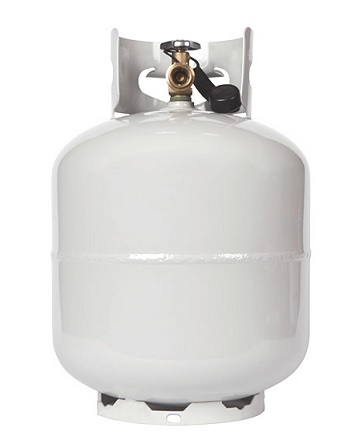
Propane can be stored as liquid in pressurized (approximately 15 atmospheres) storage tanks
and/or at cold temperatures and vaporizes to a gas at atmospheric pressure and normal temperatures.
This makes it possible to store a large volume of propane as a liquid in a relatively
small volume; propane as a vapor occupies 270 times the volume of propane in liquid form.
This makes liquid propane an ideal fuel for transport and storage until needed.
使用
Propane is used as a fuel gas, as a refrigerant,and in organic synthesis.
安全性
プロパンの利点が多い一方で可燃性ガスであるため安全な取り扱いが非常に重要です適切な保管使用およびメンテナンスのガイドラインに従うことでプロパンは安全に使用できます具体的にはプロパンタンクを直射日光や極端な温度から守り定期的にタンクや接続部分の点検を行うことが推奨されますまたプロパンを使用する設備は適切な換気が確保された場所で使用することが必要です
一般的な説明
A colorless gas with a faint petroleum-like odor. PROPANE is shipped as a liquefied gas under its vapor pressure. For transportation PROPANE may be stenched. Contact with the unconfined liquid can cause frostbite by evaporative cooling. Easily ignited. The vapors are heavier than air and a flame can flash back to the source of leak very easily. The leak may be either a liquid or vapor leak. The vapors can asphyxiate by the displacement of air. Under prolonged exposure to fire or heat the containers may rupture violently and rocket.
空気と水の反応
Highly flammable.
反応プロフィール
PROPANE is incompatible with strong oxidizing agents.
危険性
Asphyxiant. Flammable, dangerous fire
risk, explosive limits in air 2.4–9.5%. For storage,
see butane (note).
健康ハザード
Propane is a nontoxic gas. It is an asphyxiate.At high concentrations it shows narcoticeffects.
火災危険
Behavior in Fire: Containers may explode. Vapor is heavier than air and may travel a long distance to a source of ignition and flash back.
使用用途
1. ガス燃料
プロパンは単独で、または、プロペン・ブタン・等との混合物で、液化石油ガス (LPガス) として燃料に用いられています。
2. 冷媒
プロパンは、ガス吸収式冷凍機の冷媒としても用いられており、冷媒番号はR-290です。
3. その他
プロパンのその他の用途としては、潤滑油精製の脱蝋用溶剤など、溶剤としての用途が挙げられる他、エアロゾル剤としても用いられています。
法規情報
プロパンは、毒物及び劇物取締法や化学物質排出把握管理促進法では指定がありません。労働安全衛生法では、危険物・可燃性のガス (施行令別表第1第4号) に、高圧ガス保安法では液化ガス (法第2条3) に指定されており、取り扱いには注意が必要です。
取扱いおよび保管上の注意
取扱い及び保管上の注意は、下記の通りです。
- 保管容器には専用の高圧ガス容器を使用し、換気の良い40 ℃以下の場所で保管する。
- 発火の恐れがあるため、高温の物体、火花、裸火との接触は避けて保管する。
- 使用後は、容器のバルブを完全に閉め、口金キャップとを付ける。
- 爆発の恐れがあるため、酸素に富む物質 (強酸化剤) との接触は避ける。
- 屋外や換気の良い区域、防爆仕様の局所排気設備などで使用する。
- 使用時は保護手袋、保護眼鏡を着用する。
- 窒息の恐れや麻酔作用があるため、蒸気の吸入を避ける。
化学性质
環境への影響が少ないプロパンは燃焼時に二酸化炭素水蒸気および一酸化炭素を放出しますがこれらは他の化石燃料と比較して少なく環境への負担が比較的軽微ですまた硫黄や有害な排出物がほとんどないためよりクリーンなエネルギー源として評価されています高いエネルギー効率プロパンは高いカロリー値を持つため少量で大きなエネルギーを生み出すことができますこれにより燃料としての効率が良く経済的な選択肢となり得ます用途の多様性家庭用の暖房調理給湯から工業用の熱源や自動車の燃料までプロパンの使用範囲は広いですまたリモートエリアや電力網から独立した場所でのエネルギー源としても役立ちます供給の安定性プロパンは世界中で豊富に存在し生産および供給が安定しているためエネルギーの安全保障に貢献しています
安全性プロファイル
Central nervous system
effects at high concentrations. An
asphyxiant. Flammable gas. Highly
dangerous fire hazard when exposed to heat
or flame; can react vigorously with oxidizers.
Explosive in the form of vapor when
exposed to heat or flame. Explosive reaction
with ClO2. Violent exothermic reaction with
barium peroxide + heat. To fight fire, stop
flow of gas. When heated to decomposition
it emits acrid smoke and irritating fumes.
職業ばく露
Flammable gas. May form explosive
mixture with air. Incompatible with oxidizers (chlorates,
nitrates, peroxides, permanganates, perchlorates, chlorine, bromine, fluorine, etc.); contact may cause fires or explo-
sions. Keep away from alkaline materials, strong bases,
strong acids, oxoacids, epoxides. Liquid attacks some plas-
tics, rubber and coatings.
発がん性
Propane is an anesthetic
and is nonirritating to the eyes, nose, or throat. Direct
skin or mucous membrane contact with liquefied propane
causes burns and frostbite. At air concentration levels
below 1000 ppm, propane exerts very little physiological
action. At very high levels, propane has CNS depressant
and asphyxiating properties; its target organ is the central
nervous system.
輸送方法
UN1978 Propane, Hazard Class: 2.1; Labels:
2.1-Flammable gas. UN1075 Petroleum gases, liquefied or
Liquefied petroleum gas, Hazard Class: 2.1; Labels:
2.1-Flammable gas. Cylinders must be transported in
a secure upright position, in a well-ventilated truck.
Protect cylinder and labels from physical damage. The
owner of the compressed gas cylinder is the only entity
allowed by federal law (49CFR) to transport and refill
them. It is a violation of transportation regulations to
refill compressed gas cylinders without the express written
permission of the owner.
合成方法
炭化水素の熱分解
純化方法
Purify propane by bromination of the olefinic contaminants. Propane is treated with bromine for 30minutes at 0o. Unreacted bromine is quenched, and the propane is distilled through two -78o traps and collected at -196o [Skell et al. J Am Chem Soc 108 6300 1986]. It autoignites at 450o and the flash point is -104o. It is highly FLAMMABLE and is available in metal cylinders. [Beilstein 1 H 103, 1 I 33, 1 II 71, 1 III 204, 1 IV 175.]
廃棄物の処理
Return refillable compressed
gas cylinders to supplier. Dissolve or mix the material
with a combustible solvent and burn in a chemical
incinerator equipped with an afterburner and scrubber. All
federal, state, and local environmental regulations must
be observed.
プロパン 上流と下流の製品情報
原材料
準備製品