


GLP-1
- CAS No.
- 87805-34-3
- Chemical Name:
- GLP-1
- Synonyms
- GLP-1 (HUMAN);HIS-ASP-GLU-PHE-GLU-ARG-HIS-ALA-GLU-GLY-THR-PHE-THR-SER-ASP-VAL-SER-SER-TYR-LEU-GLU-GLY-GLN-ALA-ALA-LYS-GLU-PHE-ILE-ALA-TRP-LEU-VAL-LYS-GLY-ARG-GLY;HIS-ASP-GLU-PHE-GLU-ARG-HIS-ALA-GLU-GLY- THR-PHE-THR-SER-ASP-VAL-SER-SER-TYR-LEU-GLU-GLY-GLN-ALA-ALA-LYS-GLU-PHE-ILE-ALA-TRP-LEU-VAL-LYS-GLY-ARGY-GLY;GLP-1;GLP-1, 5mg;GLP-1 USP/EP/BP;Rat GLP-I(1-37);GLP-1, 5mg/vial;GATA-like protein 1;GLP-1 (1-37) (human)
- CBNumber:
- CB0193173
- Molecular Formula:
- C186H275N51O59
- Molecular Weight:
- 4169.48
- MDL Number:
- MFCD00131174
- MOL File:
- Mol file
- MSDS File:
- SDS
- TDS File:
- TDS
| storage temp. | −20°C |
|---|---|
| form | Solid |
| biological source | rabbit |
| Water Solubility | Soluble to 5 mg/ml in water |
| Sequence | His-Asp-Glu-Phe-Glu-Arg-His-Ala-Glu-Gly-Thr-Phe-Thr-Ser-Asp-Val-Ser-Ser-Tyr-Leu-Glu-Gly-Gln-Ala-Ala-Lys-Glu-Phe-Ile-Ala-Trp-Leu-Val-Lys-Gly-Arg-Gly |
| InChIKey | UKVFVQPAANCXIL-FJVFSOETSA-N |
| CAS DataBase Reference | 87805-34-3 |
| FDA UNII | SQ6SA9L9XQ |
| UNSPSC Code | 51111800 |
| NACRES | NA.77 |
SAFETY
Risk and Safety Statements
| Symbol(GHS) |  GHS07 |
|---|---|
| Signal word | Warning |
| Hazard statements | H315-H319-H335 |
| Precautionary statements | P261-P271-P280 |
| PPE | Eyeshields, Gloves, type N95 (US) |
| WGK Germany | 3 |
| HS Code | 3504009000 |
| Storage Class | 11 - Combustible Solids |
GLP-1 price More Price(33)
| Manufacturer | Product number | Product description | CAS number | Packaging | Price | Updated | Buy |
|---|---|---|---|---|---|---|---|
| Sigma-Aldrich | G3265 | Glucagon-Like Peptide I human ≥97% (HPLC) | 87805-34-3 | 0.1mg | $185 | 2026-04-30 | Buy |
| Sigma-Aldrich | SAB1301623 | ANTI-GLP1 (CENTER) antibody produced in rabbit IgG fraction of antiserum, buffered aqueous solution | 400 μL | $532 | 2026-04-30 | Buy | |
| Sigma-Aldrich | G3265 | Glucagon-Like Peptide I human ≥97% (HPLC) | 87805-34-3 | 0.5mg | $596 | 2026-04-30 | Buy |
| Biosynth | PG16977 | GLP-1 (1-37) (human, bovine, guinea pig, mouse, rat) | 1mg | $555.41 | 2026-06-04 | Buy | |
| Biosynth | PG16977 | GLP-1 (1-37) (human, bovine, guinea pig, mouse, rat) | 10mg | $699.9 | 2026-06-04 | Buy |
GLP-1 Chemical Properties, Uses, Production
Description
GLP-1 stimulates pancreatic β cells to secrete insulin as an incretin hormone. GLP-1 also has additional actions, including suppression of glucagon secretion, inhibition of gastric motility, and promotion of satiety.
History
GLP-1 was first identified in the early 1980s, following the cloning of the proglucagon gene. The biological activity of GLP-1 was investigated initially by using the N-terminal extended forms of GLP-1(1–37 and 1–36 amide). However, these forms were devoid of biological activity. In the late 1980s, bioactive GLP-1 peptides were purified from gut extracts and were identified to be GLP1(7–37) and GLP-1(7–36)-amide. In the current literature, the unqualified designation of GLP-1 corresponds to the truncated peptides.
Uses
Glucagon-Like Peptide I (GLP1) has been used as an antigen in excess amounts for the incubation of primary antibodies, post-immunocytochemistry with positive results of paraffin-embedded pancreatic tissues of Rana temporaria.
Biosynthesis
Glucagon, GLP-1, and GLP-2 are processed from proglucagon in pancreatic α cells and intestinal L cells in a tissue-specific manner. Prohormone convertases (PCs) are responsible for the tissue-specific processing. Glucagon is liberated from pancreatic α cells by PC2, whereas GLP-1 and GLP-2 are liberated from the intestinal L cells by PC1/3. As a result, GLP-1 and GLP-2 are coreleased in a 1:1 ratio following nutrient ingestion. The secretion of GLP-1 is stimulated by nutrients such as lipids and carbohydrates. In addition, several hormones such as cholecystokinin (CCK), GIP, and somatostatin as well as numerous neuromediators regulate GLP-1 secretion.2 Insulin has been reported to inhibit GLP-1 release, indicating a feedback regulation of GLP-1 secretion.
General Description
Glucagon-Like Peptide I (GLP1) is an incretin hormone, which functions as ligand for GLP1 receptors (GLP1R). These receptors are expressed in renal and cardiovascular system, such as smooth muscle and endothelial cells.
Biochem/physiol Actions
Glucagon-Like Peptide I (GLP1) controls the metabolism of glucose, by inducing the secretion of insulin and suppressing that of glucagon. Studies in Indonesian population show that reduced levels of this protein are linked with increased susceptibility to type 2 diabetes mellitus. Plasma levels of this hormone also show significant association with systolic and diastolic blood pressure levels.
Clinical Use
GLP-1 enhances glucose-stimulated insulin release. GLP-1 agonists are resistant to degradation by DPP-4; thus these agonists are used clinically for the treatment of diabetes. DPP-4 inhibitors are also acceptable for use in diabetes patients because GLP-1 is rapidly deactivated by DPP-4.
Side effects
Common side effects of GLP-1 include: loss of appetite, nausea, vomiting, diarrhoea. Other side effects may include: dizziness, mild tachycardia or increased heart rate, infection, headache, and indigestion. Temporary mild itching and redness of the skin at the injection site may also occur. Serious and rare side effects include: pancreatitis, medullary thyroid cancer, acute (sudden) kidney injury, worsening of diabetes-related retinopathy, and severe allergic reactions. And GLP-1 agonists are recommended during pregnancy because they can cause abnormal foetal development. Seek medical attention if any serious adverse reactions occur.
Receptors
Structure and subtype
The receptor of GLP-1 (GLP1R) is a seventransmembrane GPCR that belongs to a subclass of the family B. The GLP-1 receptor was first identified by ligand binding experiments and measurements of cyclic AMP accumulation using the rat insulinoma cell line.3 The human GLP-1 receptor gene, GLP1R, is located on chromosome 6 (6p21). The GLP-1 receptor contains a large hydrophilic extracellular domain and seven hydrophobic transmembrane domains. In addition, the GLP-1 receptor has three potential N-linked glycosylation sites, and glycosylation may modulate the receptor function.
Signal transduction pathway
The GLP-1 receptor is functionally coupled to Gs. 3 Through the activation of AC, cAMP is formed and activates PKA.Ligand stimulation of the receptor alsoincreases the cytoplasmic concentration of Ca2+; this is brought through the Na+ -dependent uptake of extracellular Ca2+ and through the release of Ca2+ from intracellular Ca2+ stores. The increased cytosolic Ca2+ in conjunction with the activated PKA stimulates the translocation and exocytosis of insulin-containing secretory granules.
Agonists
Exendin-4 (subsequently renamed exenatide, the first FDA approved “incretin mimetic”), Liraglutide (a longacting DPP-4-resistant GLP-1 receptor agonist), CJC1131 (a GLP-1 analog engineered for covalent coupling to albumin), Albiglutide (originally referred to as albugon, a recombinant human albumin-GLP-1 protein), ZP10 (an exendin-4 derivative), BIM51077 (subsequently renamed taspoglutide), LY315902 (a DPP-4-resistant GLP-1 analog), LY2428757 (a pegylated GLP-1), LY2199265 (Dulaglutide, an Fc immunoglobulin fusion protein), Semaglutide (a synthetic peptide similar to GLP-1), Lixisenatide (a synthetic peptide similar to exandin-4), and Tirzepatide (LY3298176, a dual agonist of GIP and GLP-1 receptors).
Antagonists
Exendin (9–39), T-0632.
storage
Store at -20°C
Mode of action
Glucagon-like peptide-1 (GLP-1) released from gut enteroendocrine cells controls meal-related glycemic excursions through augmentation of insulin and inhibition of glucagon secretion. GLP-1 also inhibits gastric emptying and food intake, actions maximizing nutrient absorption while limiting weight gain.
Structure and conformation
GLP-1 is a 31-aa peptide hormone and is secreted from intestinal endocrine L cells in two major molecular forms, GLP-1(7–37) and GLP-1(7–36)-amide. Amidation is not always important for its biological activity, and these two molecular forms have similar biological activities. The majority of circulating GLP-1 is found to be GLP-1(7–36) amide, with lesser amounts of GLP-1 (7–37). GLP-1 shares a highly conserved alanine at position 9 with GIP and GLP-2, making these peptides ideal substrates for dipeptidyl peptidase 4 (DPP-4).
The primary structure of GLP-1 is highly conserved in most mammals, except for the platypus (11 substitutions). In the platypus and squirrel, GLP-1 has one substitution of the C-terminal glutamate.
Description
Glucagon Like Peptide-1 is a single, non-glycosylated, polypeptide chain containing 30 amino acids and having a molecular mass of 3297.7 Dalton.
The GLP-1 is purified by proprietary chromatographic techniques.
Background
Glucagon-like peptide-1 (GLP-1) is derived from the transcription product of the proglucagon gene. The major source of GLP-1 in the body is the intestinal L cell that secretes GLP-1 as a guthormone. The biologically active forms of GLP-1 are: GLP-1-(7-37) and GLP-1-(7-36)NH2.
GLP-1 secretion by L cells is dependent on the presence of nutrients in the lumen of the small intestine. The secretagogues (agents that causes or stimulates secretion) of this hormone include major nutrients like carbohydrate, proteinand lipid. Once in the circulation, GLP-1 has a half life of less than 2 minutes, due to rapid degradation by the enzyme dipeptidyl peptidase-4.
GLP-1 possesses several physiological properties that make it a subject of intensive investigation as a potential treatment of diabetes mellitus. The known physiological functions of GLP-1 include: Increases insulin secretion from the pancreas in a glucose-dependent manner, decreases glucagon secretion from the pancreas, increases beta cells mass and insulin gene expression, inhibits acid secretion and gastric emptying in the stomach, decreases food intake by increasing satiety.
GLP-1 Preparation Products And Raw materials
Raw materials
Preparation Products
GLP-1 Suppliers
| Supplier | Tel | Country | ProdList | Advantage | |
|---|---|---|---|---|---|
| Hangzhou Sinoda Pharmaceutical Technology Co. LTD | 0571-87213919 17306812703 | 3007955328@qq.com | China | 7446 | 58 |
| 3B Pharmachem (Wuhan) International Co.,Ltd. | 18930552037 | 3bsc@sina.com | China | 15813 | 69 |
| GL Biochem (Shanghai) Ltd | 21-61263452 13641803416 | ymbetter@glbiochem.com | China | 9981 | 64 |
| Shanghai Hanhong Scientific Co.,Ltd. | 021-54306202 13764082696 | info@hanhongsci.com | China | 42917 | 64 |
| Chemsky (shanghai) International Co.,Ltd | 021-50135380 | shchemsky@sina.com | China | 15350 | 60 |
| Cellmano Biotech Limited | 0551-65326643 18156095617 | info@cellmano.com | China | 1010 | 55 |
| BOC Sciences | 1-631-485-4226; 16314854226 | info@bocsci.com | United States | 9920 | 65 |
| Wuxi Zhongkun Biochemical Technology Co., Ltd. | 0510-85629785 18013409632; | sales@reading-chemicals.com | China | 15165 | 58 |
| Sigma-Aldrich | 021-61415566 800-8193336 | orderCN@merckgroup.com | China | 51389 | 80 |
| Creative Peptides | info@creative-peptides.com | United States | 6083 | 56 |
View Latest Price from GLP-1 manufacturers
| Image | Update time | Product | Price | Min. Order | Purity | Supply Ability | Manufacturer | |
|---|---|---|---|---|---|---|---|---|
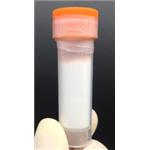 |
2026-09-14 | GLP-1
87805-34-3
|
1G | 99% | 1 ton/year | Forest chemical technology | ||
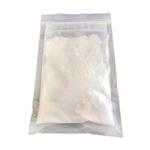 |
2026-09-14 | GLP-1, 5mg
87805-34-3
|
$10.00 | 1box | 99% | 100000box | Ningbo Qingteng Plastic Cost.,Ltd. | |
 |
2026-09-14 | glp1
87805-34-3
|
$10.00 | 1box | 99% | 100000box | Ningbo Qingteng Plastic Cost.,Ltd. |
-
- GLP-1
87805-34-3
- 99%
- Forest chemical technology
-
- GLP-1, 5mg
87805-34-3
- $10.00
- 99%
- Ningbo Qingteng Plastic Cost.,Ltd.
-
- glp1
87805-34-3
- $10.00
- 99%
- Ningbo Qingteng Plastic Cost.,Ltd.
87805-34-3 (GLP-1) Related Search:
1of4
