- PROCYANIDIN C1
-
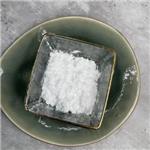
- $980.00
-
2026-09-14
- CAS:37064-30-5
- Min. Order: 1kg
- Purity: 99%
- Supply Ability: 5000
- PROCYANIDIN C1
-

-
2026-08-09
- CAS:37064-30-5
- Purity: ≥99%
- Supply Ability: 20tons
- PROCYANIDIN C1
-

- $72.00
-
2026-07-15
- CAS:37064-30-5
- Purity: 98.62%
- Supply Ability: 10g
|
| | PROCYANIDIN C1 Basic information |
| Product Name: | PROCYANIDIN C1 | | Synonyms: | PROCYANIDIN C1;(4,8’:4’,8’’-ter-2h-1-benzopyran)-3,3’,3’’,5,5’,5’’,7,7’,7’’-nonol,2,2’,2’’-tr;4-dihydroxyphenyl)-3,3’,3’’,4,4’,4’’-hexahydro-is(stereoisomer;procyanidolc1;(2R,3R,4S)-2-(3,4-dihydroxyphenyl)-4-[(2R,3R)-2-(3,4-dihydroxyphenyl)-3,5,7-trihydroxy-3,4-dihydro-2H-chromen-8-yl]-8-[(2R,3R,4R)-2-(3,4-dihydroxyphenyl)-3,5,7-trihydroxy-3,4-dihydro-2H-chromen-4-yl]-3,4-dihydro-2H-chromene-3,5,7-triol;(2R,3R,4S)-2-(3,4-dihydroxyphenyl)-4-[(2R,3R)-2-(3,4-dihydroxyphenyl)-3,5,7-trihydroxy-chroman-8-yl]-8-[(2R,3R,4R)-2-(3,4-dihydroxyphenyl)-3,5,7-trihydroxy-chroman-4-yl]chromane-3,5,7-triol;PROCYANIDIN B2(P);4,8:4,8-Ter-2H-1-benzopyran-3,3,3,5,5,5,7,7,7-nonol, 2,2,2-tris(3,4-dihydroxyphenyl)-3,3,3,4,4,4-hexahydro-, (2R,2R,2R,3R,3R,3R,4R,4S)- | | CAS: | 37064-30-5 | | MF: | C45H38O18 | | MW: | 866.77 | | EINECS: | | | Product Categories: | Catechins & Tannins | | Mol File: | 37064-30-5.mol |  |
| | PROCYANIDIN C1 Chemical Properties |
| density | 1.747±0.06 g/cm3( 20 ºC : 760 Torr) | | storage temp. | -20°C | | solubility | Soluble in methan | | pka | 9.19±0.70(Predicted) | | form | Solid | | color | Beige-brown | | Major Application | food and beverages | | InChIKey | MOJZMWJRUKIQGL-XILRTYJMSA-N | | SMILES | O[C@@H]1Cc2c(O)cc(O)c([C@@H]3[C@@H](O)[C@H](Oc4c([C@@H]5[C@@H](O)[C@H](Oc6cc(O)cc(O)c56)c7ccc(O)c(O)c7)c(O)cc(O)c34)c8ccc(O)c(O)c8)c2O[C@@H]1c9ccc(O)c(O)c9 |
| WGK Germany | 3 | | HS Code | 29329990 | | Storage Class | 11 - Combustible Solids |
| | PROCYANIDIN C1 Usage And Synthesis |
| Description | Procyanidin C1 is a polyphenol flavonoid trimer of (–)-epicatechin that has HIV-related and antioxidant activities. It activates latent HIV-1 provirus in JLR2 cells when used at concentrations ranging from 12.5 to 50 μM and increases NF-κB-dependent transcriptional activity in Jurkat T cells. Procyanidin C1 also scavenges 2,2’-diphenyl-1-picrylhydrazyl (DPPH) radicals (IC50 = 3.2 μg/ml) and inhibits the activity of α-glucosidase (IC50 = 3.8 μg/ml) and 15-lipoxygenase (15-LO; IC50 = 57.6 μg/ml). Procyanidin C1 (10 μg/ml) prevents phosphorylation of ERK1/2 and the production of reactive oxygen species (ROS) in THP-1 cells. | | Uses | Procyanidin C1 (PCC1), a natural polyphenol with oral activity, causes DNA damage, cell cycle arrest and induces apoptosis. Procyanidin C1 decreases the level of Bcl-2, but enhances BAX, caspase 3 and 9 expression in cancer cells. Procyanidin C1 shows senotherapeutic activity and increases lifespan in mice[1][2]. | | Definition | ChEBI: Procyanidin C1 is a proanthocyanidin consisting of three (-)-epicatechin units joined by two successive (4beta->8)-linkages. It has a role as a metabolite, an anti-inflammatory agent, an antioxidant, a lipoxygenase inhibitor, an EC 1.17.3.2 (xanthine oxidase) inhibitor and an EC 3.2.1.20 (alpha-glucosidase) inhibitor. It is a hydroxyflavan, a proanthocyanidin and a polyphenol. It is functionally related to a (-)-epicatechin. | | in vivo | Procyanidin C1 (20 mg/kg; i.p.; 2 weeks after the first MIT dose and then delivered biweekly) increases tumour regression[2]. Procyanidin C1 (20 mg/kg; i.p.; for 7 d) shows senolytic efficacy in mice with senescent mouse embryonic fibroblasts injection[2]. Procyanidin C1 (20 mg/kg; p.o.; for 3 d) increases the lifespan of old mice[2]. | Animal Model: | Non-obese diabetes and severe combined immunodficiency mice with PSC27 and PC3 cancer cells injection, and pre-treated with mitoxantrone (MIT)[2] | | Dosage: | 20 mg/kg | | Administration: | Intraperitoneal injection; 20 mg/kg; 2 weeks after the first MIT dose and then delivered biweekly | | Result: | Remarkably enhanced tumour regression (55.2% reduction in tumour size compared with
MIT alone; 74.9% reduction in tumour volume compared with the placebo treatment) and depleted the majority of senescent cells in chemotherapy treated animals.
|
| Animal Model: | 24-27 months of age mice (both sexes)[2] | | Dosage: | 20 mg/kg | | Administration: | Oral gavage; 20 mg/kg; for three consecutive days | | Result: | Enhanced the median post-treatment lifespan with 64.2% and decreased the mortality hazard than the vehicle-treated group.
|
| | References | [1] Koteswari LL, et al. A comparative anticancer study on procyanidin C1 against receptor positive and receptor negative breast cancer. Nat Prod Res. 2019 Jan 8:1-8. DOI:10.1080/14786419.2018.1557173
[2] Xu Q, et al. The flavonoid procyanidin C1 has senotherapeutic activity and increases lifespan in mice. Nat Metab. 2021 Dec;3(12):1706-1726. DOI:10.1038/s42255-021-00491-8 |
| | PROCYANIDIN C1 Preparation Products And Raw materials |
|