


Geneticin vs Gentamicin, Differences in Uses
Sep 9,2026
Geneticin and gentamicin are both aminoglycoside antibiotics. However, geneticin is commonly used as a cell culture selection agent, while gentamicin is mainly used to stop bacterial growth. Why those two antibiotics are used for different purposes? The following will provide an explanation.

Geneticin
Mechanism of action
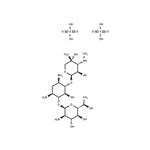
Geneticin (G418) is an aminoglycoside antibiotic that inhibits protein synthesis by blocking peptide chain extension by binding to the 70S and 80S ribosomes in prokaryotic and eukaryotic cells. This mechanism is toxic to those including bacteria, yeast, plants, and mammalian cells. When the cells were successfully transfected and integrated with a neomycin resistance gene (such as the neo gene), the gene-encoded aminoglycoside phosphotransferase (APH (3) II) could covalently modify G418 to inactivate it, thereby conferring resistance to cells grown in selective medium containing G418. Therefore, geneticin is one of the commonly used for stable transfection.
Applications
Typically, the mammalian cell screening range is 200 – 2000 μg/mL, with the most commonly used working concentration of 100 – 700 μ g / mL. Where plant cells are 10-100 μg/mL and yeast cells are 500-1000 μ g / mL.
In gene knockout, G418 can be used to screen cells that successfully knockout the target gene. In gene transfer, G418 facilitates the integration of foreign genes into the genome of host cells. During cell culture, G418 is used to screen for cells resistant to the antibiotic, which often carry specific resistance genes.
Gentamicin
Gentamicin is bactericidal and is a broad spectrum antibiotic (except against streptococci and anaerobic bacteria). Its mechanism of action involves inhibition of bacterial protein synthesis by binding to 30S ribosomes. Gentamicin is indicated for acute serious infections, such as those caused by gram-negative bacteria.
Why gentamicin can not replace geneticin?
Although both geneticin and gentamicin are similar compounds, the resistance markers are quite different from each other. Resistance to geneticin, or its analog neomycin, is conferred by the kanamycin resistance marker found in the tn5 transposon derived from E.coli. The kanamycin resistance marker confers resistance to a broad spectrum of aminoglycoside antibiotics. Plasmids that have the geneticin resistance marker will provide resistance to both neomycin in a eukaryotic host and kanamycin in a bacterial host. However, the mechanism of action of gentamicin is substantially different from that of either kanamycin or neomycin. Consequently, the gentamicin resistance marker uses a different mechanism to confer resistance and will only protect bacteria against gentamicin. The gentamicin resistance marker does not confer neomycin or kanamycin resistance.
Reference
[1] FitzGerald, K., & Newquist, K. L. (2013). Chapter 20 – Poisonings in the Captive Reptile. 0. https://doi.org/10.1016/B978-1-4557-0717-1.00020-X
- Related articles
- Related Questions
- Use and Mechanism of Geneticin(G418) Aug 18,2022
G418 (Geneticin) is an aminoglycoside antibiotic similar in structure to gentamicin B1. It is produced by Micromonospora rhodorangea.

Selumetinib (trade name KOSELUGOTM; formerly known by codes such as AZD6244, ARRY-142886, and MK-5618) is an oral, selective, potent, and non-ATP-competitive allosteric MEK1/2 inhibitor developed by AstraZeneca.....
Sep 8,2026Drugs
Daptomycin was approved for clinical use in the USA in 2003 and in Europe in 2006 for complicated skin and skin-structure infections caused by methicillin-susceptible and -resistant Staphylococcus aureus (MSSA and MRSA), Streptococcus pyoge....
Sep 9,2026API
Geneticin
108321-42-2You may like
- G-418 disulfate
-
- 2026-07-17
- CAS:108321-42-2
- Purity: 99.85%
- Supply Ability: 10g
- Geneticin
-

- $1.00
- 2026-03-20
- CAS:108321-42-2
- Min. Order: 1kg
- Purity: 99%
- Supply Ability: 10 mt
- Geneticin
-

- 2025-04-04
- CAS:108321-42-2
- Min. Order: 1kg
- Purity: 98%
- Supply Ability: 1Ton