


Synthesis of 2-(2-Chlorophenyl)cyclohexanone
Dec 22,2025
2-(2-Chlorophenyl)cyclohexanone, a derivative of cyclohexanone, possesses general physicochemical properties common to alkyl ketones and demonstrates favorable chemical stability; it is insoluble in water but soluble in ethyl acetate and chloroform. Primarily employed as a pharmaceutical intermediate, 2-(2-chlorophenyl)cyclohexanone has been documented in the literature for its application in the synthesis of ketamine, a non-competitive NMDA receptor antagonist. Ketamine consists of a 1:1 racemic mixture of the S- and R-enantiomers and exerts its anesthetic and analgesic effects mainly through inhibition of the NMDA receptor.
Synthesis
Method 1

Figure1: Synthesis of 2-(2-Chlorophenyl)cyclohexanone
Inside a nitrogen-filled glovebox, to an oven-dried 10 mL Schlenk flask equipped with a magnetic stir bar, add cyclohexanone (7.0 mg, 0.01 mmol, 0.002 equiv, 0.2 mol%), 2-iodochlorobenzene (1.19 g, 5.0 mmol, 1.0 equiv), additional cyclohexanone (0.52 mL, 25.0 mmol, 5.0 equiv), pyrrolidine (0.42 mL, 25.0 mmol, 5.0 equiv), and dry acetonitrile (50 mL, 0.1 M). After assembling the mixture, remove the flask from the glovebox and place it in a water bath positioned approximately 5 cm away from a Kessil 518 nm green LED lamp. Allow the reaction to proceed under irradiation at room temperature for 48 hours. Once the reaction is complete, remove the solvent under reduced pressure. Neutralize the resulting crude mixture with 1.0 N HCl, then extract the aqueous layer three times with diethyl ether. Combine the organic extracts, wash with brine, dry over anhydrous sodium sulfate, and concentrate in vacuo. Finally, purify the residue by flash chromatography using a gradient of 5–10% diethyl ether in hexanes as the eluent to obtain 2-(2-Chlorophenyl)cyclohexanone. [1]
Method 2

Figure2: Synthesis of 2-(2-chlorophenyl)cyclohexanone
To a solution containing 2-(tosyloxy)cyclohexanone (0.2 mmol) and substituted phenylboronic acid (0.4 mmol) in mesitylene (2 mL), add triethylamine (TEA, 40.4 mg, 0.4 mmol) and (D)-tartaric acid (6 mg, 0.04 mmol). Stir the resulting reaction mixture at 110 °C for 24 hours under an inert atmosphere to facilitate the coupling process. After completion, concentrate the mixture under reduced pressure using rotary evaporation to remove the volatile solvent. The obtained crude product is then purified by flash column chromatography on silica gel, employing a gradient elution system with petroleum ether and ethyl acetate in a ratio of 25:1 to isolate the desired compound 2-(2-Chlorophenyl)cyclohexanone in high purity. [2]
Method 3
To a stirred solution of the alcohol substrate (1.0 equiv.) in dichloromethane, add sodium bicarbonate (NaHCO₃, 4.0 equiv.) followed by Dess–Martin periodinane (DMP, 2.0 equiv.). Allow the reaction mixture to stir at room temperature while monitoring the progress by thin-layer chromatography (TLC). Once the oxidation is complete, quench the reaction by carefully adding saturated aqueous sodium thiosulfate (Na₂S₂O₃) solution. Then extract the mixture thoroughly with dichloromethane (3 × 50 mL). Combine the organic extracts and wash successively with water and brine to remove residual impurities. Dry the organic layer over anhydrous sodium sulfate, filter to remove the desiccant, and concentrate under reduced pressure. Finally, purify the resulting residue by flash column chromatography on silica gel using a gradient elution system of petroleum ether and ethyl acetate to obtian 2-(2-chlorophenyl)cyclohexanone. [3]
Pharmaceutical Applications
2-(2-Chlorophenyl)cyclohexanone serves as a critical synthetic intermediate for ketamine, whose primary mechanism of action involves non-competitive antagonism of NMDA receptors widely distributed in the brain and spinal cord. By binding to the phencyclidine site of NMDA receptors, ketamine blocks calcium influx, thereby reducing both the frequency and average open time of calcium channels. The treatment of ketamine abuse and related disorders adheres to principles centered on prevention, individualization, and comprehensive intervention. For severe acute intoxication cases, medical management is prioritized to promptly preserve life. Regarding harmful ketamine use, early detection and intervention are essential, with psychological and behavioral interventions being the main approaches to prevent progression to dependence. In this context, the precise synthesis and application of 2-(2-chlorophenyl)cyclohexanone play a foundational role in the pharmaceutical development and subsequent clinical management related to ketamine.
Reference
[1] Hossain, Mubarak Md ; et al, Photocatalytic α-arylation of cyclic ketones, Nature Synthesis 2022, 1, 147-157.
[2] Huang, Wei-Hua; et al, Transition metal-free synthesis of α-aryl ketones via oxyallyl cation capture with arylboronic acids, Organic Chemistry Frontiers 2020, 7, 2480-2485.
[3] Tang, Shi-Zhong; et al, Chemical Communications, 2018, 54(87), 12377-12380.
- Related articles
- Related Qustion

2-(2-ethoxyethoxy)ethyl acrylate is suitable for the structural modification and synthesis of polyvinyl-based polymeric materials.....
Dec 22,2025API
A concise overview of the synthesis routes, reactivity patterns, mechanistic parameters, and nitration behavior of 4-chloro-2,6-diaminopyrimidine.....
Dec 22,2025Organic Chemistry
2-(2-chlorophenyl)cyclohexanone
91393-49-6You may like
2-(2-chlorophenyl)cyclohexanone manufacturers
- 2-(2-chlorophenyl)cyclohexanone
-
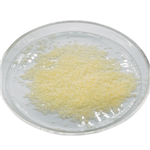
- $1.00 / 1kg
- 2025-12-21
- CAS:91393-49-6
- Min. Order: 1kg
- Purity: 99%
- Supply Ability: 100kg
- 2-(2-chlorophenyl)cyclohexanone
-
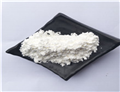
- $9.90 / 1KG
- 2025-12-11
- CAS:91393-49-6
- Min. Order: 1KG
- Purity: 99%
- Supply Ability: 5tons
- 2-(2-Chlorophenyl)cyclohexan-1-one
-
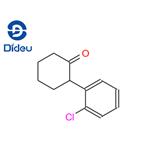
- $0.00 / 25KG
- 2025-12-01
- CAS:91393-49-6
- Min. Order: 1KG
- Purity: 98%
- Supply Ability: 10000KGS