


Trichloroisocyanuric acid

- CAS No.
- 87-90-1
- Chemical Name:
- Trichloroisocyanuric acid
- Synonyms
- TCCA;TCICA;BLEACH;1,3,5-Trichloro-1,3,5-triazinane-2,4,6-trione;trichloroisocyanuric;TRICHLOROCYANURIC ACID;Isocyanuric chloride;Trichloro-s-triazinetrione;1,3,5-TRICHLORO-2,4,6-TRIAZINETRIONE;SYMCLOSENE
- CBNumber:
- CB4672436
- Molecular Formula:
- C3Cl3N3O3
- Molecular Weight:
- 232.41
- MDL Number:
- MFCD00006553
- MOL File:
- 87-90-1.mol
- MSDS File:
- SDS
- TDS File:
- TDS
| Melting point | 249-251 °C (lit.) |
|---|---|
| Boiling point | 272.3±23.0 °C(Predicted) |
| Density | 2.07 |
| bulk density | 850kg/m3 |
| vapor pressure | 0.001-0.002Pa at 20-25℃ |
| Flash point | 121°C |
| storage temp. | Store below +30°C. |
| solubility | Chloroform (Sparingly, Heated), DMSO (Sparingly) |
| form | Powder or Granules |
| pka | -4.49±0.20(Predicted) |
| color | White to almost white |
| Odor | chlorine odor |
| PH | 2.0-2.7 (10g/l, H2O, 20℃) |
| Water Solubility | 1.2 g/100mL (25 ºC) |
| Sensitive | Hygroscopic |
| Merck | 14,9641 |
| BRN | 202022 |
| Henry's Law Constant | 1.6×10⁵ mol/(m3Pa) at 25℃, HSDB (2015) |
| Stability | Stable. Hygroscopic, and may decompose in contact with moisture. Contact with combustible material may lead to fire. Incompatible with acids, reducing agents, water, strong oxidizing agents. |
| InChI | 1S/C3Cl3N3O3/c4-7-1(10)8(5)3(12)9(6)2(7)11 |
| InChIKey | YRIZYWQGELRKNT-UHFFFAOYSA-N |
| SMILES | ClN1C(=O)N(Cl)C(=O)N(Cl)C1=O |
| LogP | -1.31-0.94 at 25℃ |
| Indirect Additives used in Food Contact Substances | TRICHLOROISOCYANURIC ACID |
| FDA 21 CFR | 178.1010 |
| CAS DataBase Reference | 87-90-1(CAS DataBase Reference) |
| EWG's Food Scores | 2 |
| FDA UNII | RL3HK1I66B |
| NIST Chemistry Reference | Trichlorocyanuric acid(87-90-1) |
| EPA Substance Registry System | Trichloro-s-triazinetrione (87-90-1) |
| UNSPSC Code | 12352115 |
| NACRES | NA.22 |
SAFETY
Risk and Safety Statements
| Symbol(GHS) |    GHS03,GHS07,GHS09 |
|||||||||
|---|---|---|---|---|---|---|---|---|---|---|
| Signal word | Danger | |||||||||
| Hazard statements | H302-H315-H319-H335-H410-H272 | |||||||||
| Precautionary statements | P501-P261-P273-P270-P220-P210-P221-P271-P264-P280-P302+P352-P370+P378-P391-P337+P313-P305+P351+P338-P362+P364-P332+P313-P301+P312+P330-P304+P340+P312-P403+P233-P405 | |||||||||
| target organs | Respiratory system | |||||||||
| PPE | Eyeshields, Faceshields, Gloves, type P3 (EN 143) respirator cartridges | |||||||||
| Hazard Codes | O,Xn,N | |||||||||
| Risk Statements | 8-22-31-36/37-50/53-36/37/38 | |||||||||
| Safety Statements | 8-26-41-60-61 | |||||||||
| RIDADR | UN 2468 (TRICHLOROISOCYANURIC ACID, DRY) | |||||||||
| WGK Germany | 2 | |||||||||
| RTECS | XZ1925000 | |||||||||
| TSCA | TSCA listed | |||||||||
| HazardClass | 5.1 | |||||||||
| PackingGroup | II | |||||||||
| HS Code | 29336980 | |||||||||
| Storage Class | 5.1B - Oxidizing hazardous materials | |||||||||
| Hazard Classifications | Acute Tox. 4 Oral Aquatic Acute 1 Aquatic Chronic 1 Eye Irrit. 2 Ox. Sol. 2 STOT SE 3 |
|||||||||
| Hazardous Substances Data | 87-90-1(Hazardous Substances Data) | |||||||||
| Toxicity | LD50 orally in Rabbit: 406 mg/kg LD50 dermal Rabbit > 2000 mg/kg | |||||||||
| REACH Registrations | Active | |||||||||
| Limited Quantities | 1.0 kg (2.2 lbs) (solid) | |||||||||
| Excepted Quantities | Max Inner Pack (30g or 30ml) and Max Outer Pack (500g or 500ml) | |||||||||
| NFPA 704 |
|
Trichloroisocyanuric acid price More Price(38)
| Manufacturer | Product number | Product description | CAS number | Packaging | Price | Updated | Buy |
|---|---|---|---|---|---|---|---|
| Sigma-Aldrich | 8.08607 | Trichloroisocyanuric acid for synthesis | 87-90-1 | 250g | $48.4 | 2026-04-30 | Buy |
| Sigma-Aldrich | 8.08607 | Trichloroisocyanuric acid for synthesis | 87-90-1 | 50kg | $2140 | 2026-04-30 | Buy |
| Sigma-Aldrich | 8.08607 | Trichloroisocyanuric acid for synthesis | 87-90-1 | 1kg | $47.2 | 2024-03-01 | Buy |
| Sigma-Aldrich | 176125 | Trichloroisocyanuric acid | 87-90-1 | 50g | $32.5 | 2023-06-20 | Buy |
| Sigma-Aldrich | 176125 | Trichloroisocyanuric acid | 87-90-1 | 1kg | $90.1 | 2022-05-15 | Buy |
Trichloroisocyanuric acid Chemical Properties, Uses, Production
Bactericidal and Disinfection effect
Trichloroisocyanuric acid (TCCA) is a strong oxidant and chlorinating agent which has efficient, broad-spectrum, and safe disinfection effects. It has the strongest bactericidal activity among chlorinated isocyanuric acid products against bacteria, viruses, fungi, mold, Vibrio cholerae, Bacillus. It also has certain inhibitory effect on coccidia oocysts and thus can used in the disinfection in the environment, drinking water, fruits and vegetables, livestock feeders, fish ponds and silkworm rooms. The application method is using powder for the preparation of 4-6 mg/kg concentrations for the disinfection of drinking water and using a solution of concentration of 200-400 mg/kg for environmental disinfection and utensils disinfection.
TCCA has various effects including killing algae, deodorant, and water purification as well as bleaching. It has a stronger and better bactericidal and bleaching effect than sodium dichloroisocyanurate and thus being widely used in the sterilization treatment of washing bleacher of cotton and hemp fiber fabric, wool shrink proofing agents, rubber chlorination, and oil drilling mud and sewage, disinfection of battery materials, disinfection of swimming pool, disinfection of drinking water, treatment of industrial wastewater and sewage, food processing industry, food hygiene industry, aquaculture, daily chemical industry, hospitals, nurseries, epidemic prevention, waste disposal, hotels, restaurants and natural disasters, large-scale disinfection and sterilization after man-made disaster.
Instructions:
1. swimming pool disinfection: calculate the usage according to 2-3g/m3; take effect for 30-60 minutes.
2. Public places and ground disinfection: use 1500-3000-fold diluted water solution for spraying and wiping for 30 minutes. Infectious disease epidemic area, use 150-200-fold aqueous diluted water solution for spray disinfection.
3. disinfection of white clothing and blankets: apply 2000-3000 fold diluted solution for clean items; soak for 10 minutes; for seriously polluted items, diluted 500 times, soak for 20 minutes.
4. disinfection of bathroom and toilet scrub; use 300-fold diluted solution for reaction of 30 minutes.
5. sterilization of non-metallic medical equipment: use 500-1000 times diluted solution for soak of 30 minutes; disinfection of apparatus with pus and blood; apply 100-fold diluted water solution for reaction of 30 minutes.
6. disinfection of non-metallic tableware: use 500-1000 times diluted water solution for reaction of 30 minutes.
Chemical Properties
TCCA has an excellent bactericidal property and is a new generation of broad-spectrum, high efficiency, low-toxicity fungicides, bleacher and anti-shrinking agent. It is mainly used in the disinfection and sterilization of drinking water, industrial water recycling, swimming pool, restaurants, hotels, public places, homes, hospitals, eggs and prevention of fish diseases. It has a killing effect on almost all fungi, bacteria, viruses, and spores. It is safe and convenient to use. This product can also be widely used in food, dairy, rice seed processing, fruit preservation, fiber bleaching, wool shrink, daily chemical decolorization, wood mold paper making, rubber oxidation and battery materials.
The above information is edited by the chemicalbook of Dai Xiongfeng.
Uses
The product has a strong sterilization, bleaching effect. It is widely used as the high-efficiency disinfectant in civilian health, livestock breeding and plant protection. It can also be used as the washing bleacher of cotton and hemp fiber fabric, wool shrink proofing agents; it can also be used for rubber chlorination, battery materials, organic synthesis industry and the bleach of dry laundry.
It is used for the sterilization and disinfection of various kinds of water such as drinking water, swimming pool water, industrial circulating water, and sewage.
It is an anti-clotting drug.
Category
oxidant
Toxicity grading
poisoning
Acute toxicity
oral: rat LD50: 406 mg/kg
Irritation data
skin: rabbit 500 mg/24 hours: moderate; Eyes-rabbit 50 micrograms/24 hours and severe.
Explosiveness and Hazardous characteristics
being mixed with ammonium salt, ammonia, urea can generate explosive nitrogen trichloride.
Flammability and hazard characteristics
it is flammable in case of organic substance; it can generate toxic nitrogen trichloride upon wet and heating.
Storage characteristics
Treasury: ventilation, low-temperature and dry; it should be stored separately from fuel, organic matter, and oxides.
Fire extinguishing agent
Plenty of water
Chemical Properties
white to light yellow crystal powde
Uses
antiarrhythmic
Uses
Trichloroisocyanuric Acid is a disinfectant and anti-bacterial. It can also be used in the synthesis of napthols.
Uses
Chlorinating agent, disinfectant, industrial deodorant. In household cleansers. In removing oil and protein in stainless steel. In nonshrink treatment for wool. Oxidant and chlorinating reagent in organic synthesis.
Definition
ChEBI: 1,3,5-trichloro-1,3,5-triazinane-2,4,6-trione is a member of 1,3,5-triazinanes and an organochlorine compound.
General Description
A white slightly hygroscopic crystalline powder or lump solid with a mild chlorine-like odor. Said to have 85 percent available chlorine. Decomposes at 225°C. Moderately toxic by ingestion. May irritate skin and eyes. Active ingredient in household dry bleaches. Used in swimming pools as a disinfectant .
Air & Water Reactions
Slightly hygroscopic [Hawley]. Slightly soluble in water. May react with water releasing gaseous chlorine. If mixed with a small amount of water, the concentrated solution (with pH at about 2.0) may explode due to the evolution of unstable nitrogen trichloride. (explanation in Bretherick 5th ed.)
Reactivity Profile
TRICHLORO-S-TRIAZINETRIONE, [DRY, CONTAINING > 39% AVAILABLE CHLORINE] may react vigorously with ammonium compounds or hydrated salts. Prolonged exposure to heat may result in the vigorous decomposition with the rupture of containers. Accelerates the burning of combustible materials [AAR 1991]. May reactwith alcohols to yield alkyl hypochlorites that decompose in the cold and explode on exposure to sunlight or heat. Hypochlorites of tertiary alcohols are less unstable than those of secondary or primary alcohols [NFPA 491 M. 1991].
Health Hazard
Inhalation causes sneezing and coughing. Contact with dust causes moderate irritation of eyes and itching and redness of skin. Ingestion causes burns of mouth and stomach.
Health Hazard
Moderately toxic by ingestion; causes lethargy, weakness, bleeding from stomach, andulceration; ingestion of very large quantities,probably within the range 150–100 g, maycause delayed death; as a strong oxidizer,the toxic properties of this substance showmany similarities to other powerful oxidants;injurious to liver and kidney, causing inflammation of gastrointestinal tract, liver discoloration, and kidney hyperemia as indicatefrom autopsy (Sax and Lewis 1995); the dermal toxicity is very low although an irritantto skin; irritation in rabbit’s eye form a 50mg dose in 24 hours was found to be severe.
LD50 oral (rat): 406 mg/kg.
Safety Profile
Moderately toxic to humans and experimentally by ingestion. Mildly toxic experimentally by skin contact. Human systemic effects by ingestion: ulceration or bleeding from stomach. A severe skin and eye irritant. Toxicity symptoms include emaciation, lethargy, weakness, and delayed death. Autopsy shows inflammation of gastrointestinal tract, liver discoloration, and kidney hyperemia. A powerful oxidizer. Forms an explosive product with cyanuric acid + sodmm hydroxide. Potentially violent reaction with combustible materials. When heated to decomposition it emits very toxic fumes of Cland NOx. Used to chlorinate swimming pools.
Synthesis
Trichloroisocyanuric acid is prepared from cyanuric acid via a reac tion with chlorine gas and sodium hydroxide [1].
Toxics Screening Level
The ITSL can be calculated using the equation for a four-hour LC50 value from R 232(1)(f). The initial threshold screening level (ITSL) for 1,3,5-Trichloroisocyanuric acid is 1.8 μg/m3 rounded to 2 μg/m3 annual average.
References
[1] Manju, M., Suresh, S., Vivekanand, P., Gunasekaran, S., Srinivasan, S., Biju, C. (2021). Vibrational spectroscopic investigation and antibacterial activity studies on Trichloroisocyanuric acid. Materials Today: Proceedings, 36, 857–862. https://doi.org/10.1016/j.matpr.2020.07.018
Trichloroisocyanuric acid Preparation Products And Raw materials
Raw materials
1of2
Preparation Products
1of2
| Supplier | Tel | Country | ProdList | Advantage | |
|---|---|---|---|---|---|
| Hefei Ergao Chemical Co., Ltd | 13349118557 | 2782107081@qq.com | China | 299 | 58 |
| Shanghai Aoguang Biotechnology Co., Ltd | 1735-4997695 17715859063 | 1204996172@qq.com | China | 745 | 58 |
| Jinan Xichuan Chemical Technology Co., LTD | 18615562062 | 1569434392@qq.com | China | 344 | 58 |
| Tenghong (Shandong) New Material Co., Ltd | 1555-2555846 18265060865 | 1277177917@qq.com | China | 2793 | 58 |
| Meryer (Shanghai) Chemical Technology Co., Ltd. | 4006356688 18621169109 | market03@meryer.com | China | 40202 | 62 |
| Alfa Aesar | 400-6106006 | saleschina@alfa-asia.com | China | 30103 | 84 |
| TCI (Shanghai) Development Co., Ltd. | 021-67121386 | Sales-CN@TCIchemicals.com | China | 24512 | 81 |
| Energy Chemical | 400-0056266 | sales8178@energy-chemical.com | China | 44850 | 61 |
| Capot Chemical Co., Ltd | +86 (0) 571 85 58 67 18 | China | 18187 | 66 | |
| JinYan Chemicals(ShangHai) Co.,Ltd. | 13817811078 | sales@jingyan-chemical.com | China | 9963 | 60 |
Related articles
- Introduction of Trichloroisocyanuric acid
- Trichlorocyanuric acid, dry appears as a white slightly hygroscopic crystalline powder or lump solid with a mild chlorine-like....
- Feb 15,2022
View Latest Price from Trichloroisocyanuric acid manufacturers
| Image | Update time | Product | Price | Min. Order | Purity | Supply Ability | Manufacturer | |
|---|---|---|---|---|---|---|---|---|
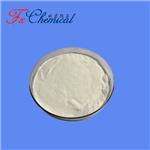 |
2026-09-18 | Trichloroisocyanuric acid
87-90-1
|
1KG | 98%min | 30tons/month | WUHAN FORTUNA CHEMICAL CO., LTD | ||
 |
2026-07-26 | Trichloroisocyanuric acid
87-90-1
|
$1.00 | 1g | 99 | 20tons | Lotusland Life Sciences | |
 |
2026-03-20 | Trichloroisocyanuric acid
87-90-1
|
$1.00 | 1kg | 99% | 10 mt | Hebei Chuanghai Biotechnology Co., Ltd |
-
- Trichloroisocyanuric acid
87-90-1
- $0.00
- 98%min
- WUHAN FORTUNA CHEMICAL CO., LTD
-
- Trichloroisocyanuric acid
87-90-1
- $1.00
- 99
- Lotusland Life Sciences
-
- Trichloroisocyanuric acid
87-90-1
- $1.00
- 99%
- Hebei Chuanghai Biotechnology Co., Ltd
87-90-1 (Trichloroisocyanuric acid) Related Search:
1of4
